In the bustling world of print and digital media, editorial layouts are the unsung heroes that transform mere words into captivating stories. Picture this: a beautifully organized page that not only draws the eye but also guides the reader through a journey of information and inspiration. It’s like a well-choreographed dance, where images, text, and white space waltz together in perfect harmony.
Overview of Editorial Layouts
Editorial layouts play a crucial role in enhancing both print and digital media. These layouts organize information, guiding readers through content and making stories visually appealing.
Definition and Importance
An editorial layout refers to the arrangement of text, images, and other elements on a page. Creating a strong editorial layout transforms simple content into compelling narratives. It influences how readers engage with material, ensuring that key messages stand out. A structured layout can significantly increase reader retention and satisfaction. By prioritizing visual hierarchy, designers create an inviting atmosphere for exploration and discovery.
Key Elements of Editorial Layouts
Key elements include typography, imagery, hierarchy, and spacing. Typography sets the tone, guiding readers through the content while ensuring readability. Imagery captures attention, providing visual context that enriches storytelling. Hierarchy establishes a clear order, highlighting important sections or messages. Adequate spacing prevents clutter, enhancing overall aesthetics and comprehension. Each component works together, creating an effective layout that captivates and informs audiences.
Types of Editorial Layouts
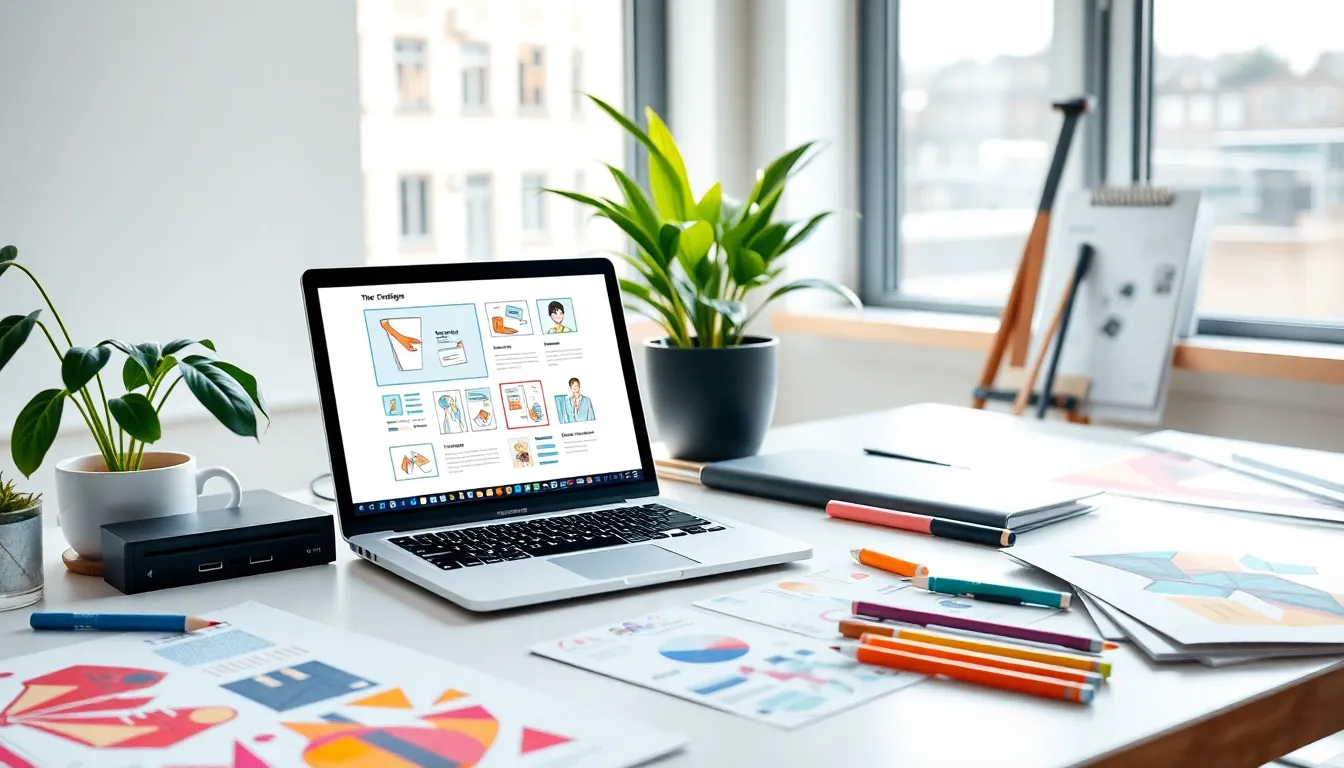
Various types of editorial layouts exist, each serving unique purposes in presenting content effectively. Traditional layouts and modern layouts represent two primary design approaches in print and digital media.
Traditional Layouts
Traditional layouts focus on structured arrangements, emphasizing a grid format. Readers often encounter distinct sections, such as headers, body text, and images in a predictable manner. Publications like newspapers utilize this approach to maintain clarity and organization. Columns also feature prominently, allowing text to flow smoothly across the page. This consistency helps readers navigate content easily, as the design remains familiar. The classic approach centers on direct communication, ensuring information is readily accessible.
Modern Layouts
Modern layouts embrace creativity and flexibility, prioritizing unique visual experiences. Designers often play with asymmetry, overlapping elements, and dynamic shapes. Digital platforms frequently use this technique to engage viewers and create memorable interactions. Rather than adhering to strict grids, modern layouts allow for experimentation with white space and typography. This innovation maintains reader interest and guides attention effectively. Users enjoy a more immersive experience, as varied layouts break conventional norms while delivering engaging narratives.
Design Principles for Effective Editorial Layouts
Effective editorial layouts rely on key design principles that create visual clarity and engagement. A well-executed layout invites readers to explore content while facilitating easy navigation.
Balance and Alignment
Balance ensures that elements contribute to a harmonious composition. Symmetrical layouts offer stability, while asymmetrical designs capture attention. Alignment directs flow and guides the viewer’s eye from one part of the page to the next. It organizes content in a structured manner, promoting a cohesive reading experience. Utilizing grids fosters alignment, creating order among disparate elements. Practicing these principles aids in maintaining visual equilibrium, avoiding cluttered pages. Furthermore, balancing text and images prevents overwhelming the reader with information.
Typography and Color Schemes
Typography serves as a vital aspect of editorial design affecting readability and tone. Choosing fonts that complement the content enhances engagement. Different font sizes establish hierarchies that guide the reader through the narrative. Pairing contrasting typefaces adds visual interest, while maintaining consistency throughout the layout supports brand identity. Color schemes play a complementary role, influencing mood and enhancing storytelling. A limited color palette can create unity, while proper contrast ensures legibility. Overall, thoughtful selection of typography and color significantly impacts readers’ experiences and perceptions of the material.
Tools and Software for Creating Editorial Layouts
Various tools and software enable effective creation of editorial layouts, enhancing both print and digital media presentations.
Popular Design Software
Adobe InDesign stands out as a preferred choice for professional editorial designs. Indesign offers robust features like advanced typography control, grid layouts, and versatile export options. QuarkXPress is another strong contender, known for its rich functionality and high-quality output. Affinity Publisher provides a budget-friendly alternative with user-friendly controls and powerful design capabilities. CorelDRAW suits those who prioritize vector graphics, presenting unique features for custom illustrations. Each of these tools accommodates various design preferences and project requirements, ensuring flexibility in layout creation.
Online Tools
Canva serves as a widely used online design tool, providing templates for quick and easy editorial layouts. It allows users to create professional-looking designs without extensive training. Visme suits users seeking to integrate infographics and presentations within their layouts. Lucidpress focuses on collaborative features, enabling teams to work together seamlessly on shared projects. Snappa streamlines the process, offering intuitive drag-and-drop functionality for instant results. These online tools cater to diverse needs, making editorial design accessible for all skill levels.
Best Practices for Editorial Layouts
Creating effective editorial layouts hinges on several best practices that enhance reader engagement. Designers prioritize clarity and visual appeal to ensure content captivates the audience.
Tips for Engaging Readers
Establish a focal point by incorporating striking images or bold headlines. Use whitespace strategically to allow the design to breathe and make reading comfortable. Implement a consistent color scheme that reflects the brand while creating visual harmony. Vary typography to establish a hierarchy, ensuring key messages stand out. Incorporate infographics or charts, as they simplify complex information and add visual interest.
Common Mistakes to Avoid
Neglecting consistency across pages leads to disorganized layouts and confuses readers. Overcrowding pages with excessive elements detracts from essential content. Avoid using too many font types, as it disrupts text flow and readability. Failing to test designs on various devices may result in poor performance across platforms. Ignoring brand guidelines can weaken the visual identity, undermining the overall impact of the publication.
Mastering editorial layouts is essential for creating engaging and effective media. A well-crafted layout not only attracts readers but also enhances their understanding and enjoyment of the content. By skillfully balancing elements like typography, imagery, and whitespace, designers can create visually appealing pages that invite exploration.
The choice between traditional and modern layouts allows for flexibility in presentation, catering to diverse audience preferences. Utilizing the right tools and adhering to best practices ensures that designers can produce high-quality work that resonates with readers. Ultimately, thoughtful design choices make a significant difference in how content is perceived and experienced.