
In the ever-evolving world of design, staying ahead of the curve can feel like trying to catch a greased pig at a county fair. Enter Design Techniques Magazine, the ultimate guide that turns chaos into creativity. Packed with expert insights and innovative tips, it’s the go-to resource for designers who want to elevate their craft without losing their sanity—or sense of humor.
Overview of Design Techniques Magazine
Design Techniques Magazine serves as an essential tool for designers. It offers practical resources that help professionals thrive in the demanding design landscape. Each issue includes articles from industry experts who share insights and innovative practices. Readers benefit from tips that not only enhance skills but also foster creativity.
New trends in design are frequently covered, keeping readers informed about the latest developments. The magazine emphasizes hands-on projects, encouraging readers to apply techniques in real-world scenarios. Case studies showcase successful designs, providing inspiration and practical examples.
Networking opportunities arise through features on design events and workshops. Readers stay updated on conferences where they can connect with fellow designers. The magazine also highlights valuable tools and software, ensuring that designers remain equipped for their tasks.
Educational content enriches the magazine, with sections dedicated to tutorials and skill-building exercises. Designers discover various approaches to problem-solving, allowing for growth and exploration. Each issue aims to balance theory with practical application, enhancing the reader’s experience.
Design Techniques Magazine prioritizes providing relevant, actionable content. Through expert contributions and diverse topics, it becomes a reliable source for designers. Engaging visuals alongside informative articles create an enjoyable reading experience. This combination fosters both learning and creativity in the design community.
Key Features of the Magazine
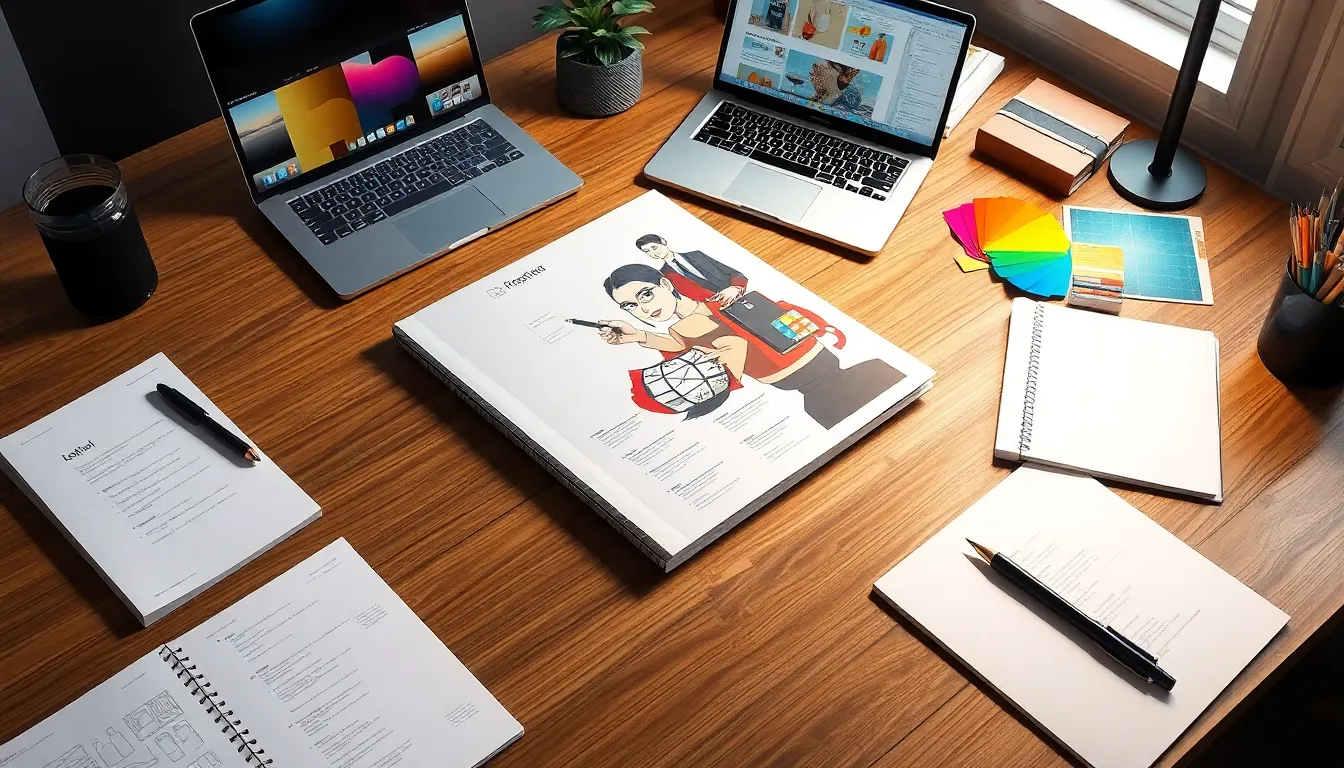
Design Techniques Magazine stands out in the realm of design publications, emphasizing unique elements that resonate with its audience.
Unique Design Aesthetic
Creativity permeates every page of the magazine, evident in its distinctive layout and visuals. Each issue showcases a modern design aesthetic that captures attention while remaining functional. Readers encounter a harmonious balance between text and imagery. This approach highlights design principles, fostering appreciation for art and composition. The choice of colors and typography also contributes to an engaging reading experience, inviting designers to reflect on their own projects. Personalities within the design community often cite the magazine as an inspiration source, thanks to its ability to blend aesthetics with practical insights.
Content Variety
A diverse assortment of content keeps readers engaged and informed. Articles explore various topics, from emerging design trends to technical software tutorials. The magazine’s commitment to practical knowledge encourages skill development through instructional guides and hands-on projects. Special features such as interviews with leading professionals illuminate different perspectives and experiences. Additionally, case studies illustrate successful projects, providing actionable insights. Regular columns enrich the reading experience by highlighting community events, workshops, and networking opportunities, making it a comprehensive resource for designers.
Target Audience Analysis
Design Techniques Magazine caters to a diverse group of design professionals looking for insights and inspiration. Its content aligns with the needs of both seasoned veterans and aspiring designers eager to improve their skills.
Who Reads Design Techniques Magazine?
Designers across various fields engage with Design Techniques Magazine. Graphic designers appreciate the tips on visual communication. Interior designers find value in articles on space planning and aesthetics. Additionally, web designers benefit from discussions on user experience and digital trends. This broad appeal ensures comprehensive coverage of topics relevant to current industry challenges.
Reader Demographics
A varied demographic fosters a rich community around the magazine. Primarily, readers range in age from 25 to 45, representing a significant percentage of creative professionals. Gender distribution also reflects balance, appealing to both male and female designers. Moreover, many readers hold formal education in design or related fields. They seek out industry knowledge that enhances their careers, often looking for practical tools and connections through networking events. This diverse and engaged audience strengthens the magazine’s presence in the design community.
Editorial Quality
Design Techniques Magazine exemplifies exceptional editorial quality, reflecting its commitment to delivering insightful content. Each issue maintains high standards for writing, clarity, and design, ensuring readers receive valuable information in an engaging format.
Writing Style and Clarity
Writing within the magazine stands out for its straightforward, accessible language. Articles employ a conversational tone that resonates with designers, regardless of their experience level. Clear organization and structured layouts enhance readability. Concise sentences deliver information effectively, making it easy for readers to absorb key concepts. Experts contribute their knowledge, creating reliable sources that instill confidence in the audience. Varied topics maintain interest, encouraging deeper exploration of design principles.
Visual Elements
Visual elements play a crucial role in the magazine’s appeal. Appealing graphics complement written content, creating a balanced aesthetic. Illustrations and photographs highlight techniques discussed in articles, fostering a deeper understanding. Designers can appreciate thoughtful layouts that prioritize user experience, inviting readers to engage with the material. Modern typography enhances clarity, ensuring text remains legible while contributing to an overall professional presentation. Each visual aspect reinforces the magazine’s educational value, elevating the design discourse within the community.
Popular Design Topics Covered
Design Techniques Magazine delves into a variety of engaging topics within the design realm, offering valuable insights for its readers. Each topic reflects current trends and innovative practices that resonate with design professionals.
Graphic Design Trends
Graphic design trends frequently explore dynamic and evolving styles. Fonts, colors, and layouts adjust to reflect societal shifts and technological advancements. Minimalism remains popular, yet bold and experimental design choices often surface as well. Articles analyze how social media influences graphic design choices, encouraging designers to adapt their work for online platforms. Typography trends shift towards custom fonts that enhance brand identity, while effective use of negative space continues to gain traction. Readers appreciate case studies showcasing successful projects, inspiring creativity through real-world examples.
Innovative Techniques
Innovative techniques feature prominently in the magazine, empowering designers to enhance their craft. Digital tools and software continuously evolve, offering exciting possibilities for exploration. Techniques such as 3D modeling, augmented reality, and interactive design spark interest among readers. Tutorials provide step-by-step guides, simplifying complex processes and making them accessible to all skill levels. Workshops, often integrated within the magazine, promote hands-on learning and collaboration. Strategies for merging traditional methods with digital advancements create engaging solutions that resonate with contemporary audiences. Insights from industry leaders provide fresh perspectives, encouraging designers to push boundaries and experiment in their work.
Design Techniques Magazine serves as an invaluable asset for designers seeking to navigate the complexities of their profession. With its focus on practical resources and expert insights it not only enhances skills but also fosters a sense of community. The magazine’s engaging layout and diverse content keep readers informed and inspired while encouraging them to apply new techniques in their work.
By offering a blend of theory and hands-on projects it cultivates a rich learning environment. This commitment to quality and relevance positions Design Techniques Magazine as a leading resource in the design industry. As the design landscape continues to evolve the magazine remains a trusted companion for both seasoned professionals and aspiring creatives alike.