Design isn’t just about making things pretty; it’s about solving problems and creating experiences. In a world where first impressions count, innovative design can make the difference between a “wow” and a “meh.” From sleek tech gadgets to sustainable architecture, design innovations are transforming the way people interact with their surroundings.
Overview of Design Innovations
Design innovations transcend aesthetics, offering functional solutions that enhance user experiences. New technologies drive many of these advancements, enabling the creation of smart homes and interactive environments. Sustainable architecture represents another significant trend, emphasizing eco-friendly materials and energy efficiency. Biomimicry stands as a prominent example, where designers mimic nature’s efficiencies to create sustainable products.
User-centered design prioritizes the needs and preferences of individuals, ensuring accessibility and usability across various demographics. Cutting-edge software enhances the collaborative process, allowing teams to visualize concepts in real-time. Innovations like 3D printing revolutionize production methods, reducing waste and enabling rapid prototyping.
In transportation, electric vehicles and self-driving technologies illustrate design innovations that promise to transform mobility. Wearable technology integrates seamlessly into daily life, providing both functionality and fashion. Smart textiles adapt to environmental conditions, enhancing comfort and performance for users.
Virtual reality and augmented reality applications are reshaping design by providing immersive experiences. These technologies allow users to engage with environments before they exist, giving valuable insight to designers. Furthermore, adaptive reuse in architecture breathes new life into old structures, demonstrating creativity and resourcefulness in design practices.
These innovations collectively influence various fields, enhancing functionality, sustainability, and user engagement. As designers continue to explore new possibilities, the impact of these innovations will only grow, reshaping how people interact with their surroundings.
Impact of Technology on Design Innovations
Technology significantly influences design innovations, driving advancements across multiple disciplines. The integration of digital tools transforms how designers approach creative projects.
Digital Tools and Software
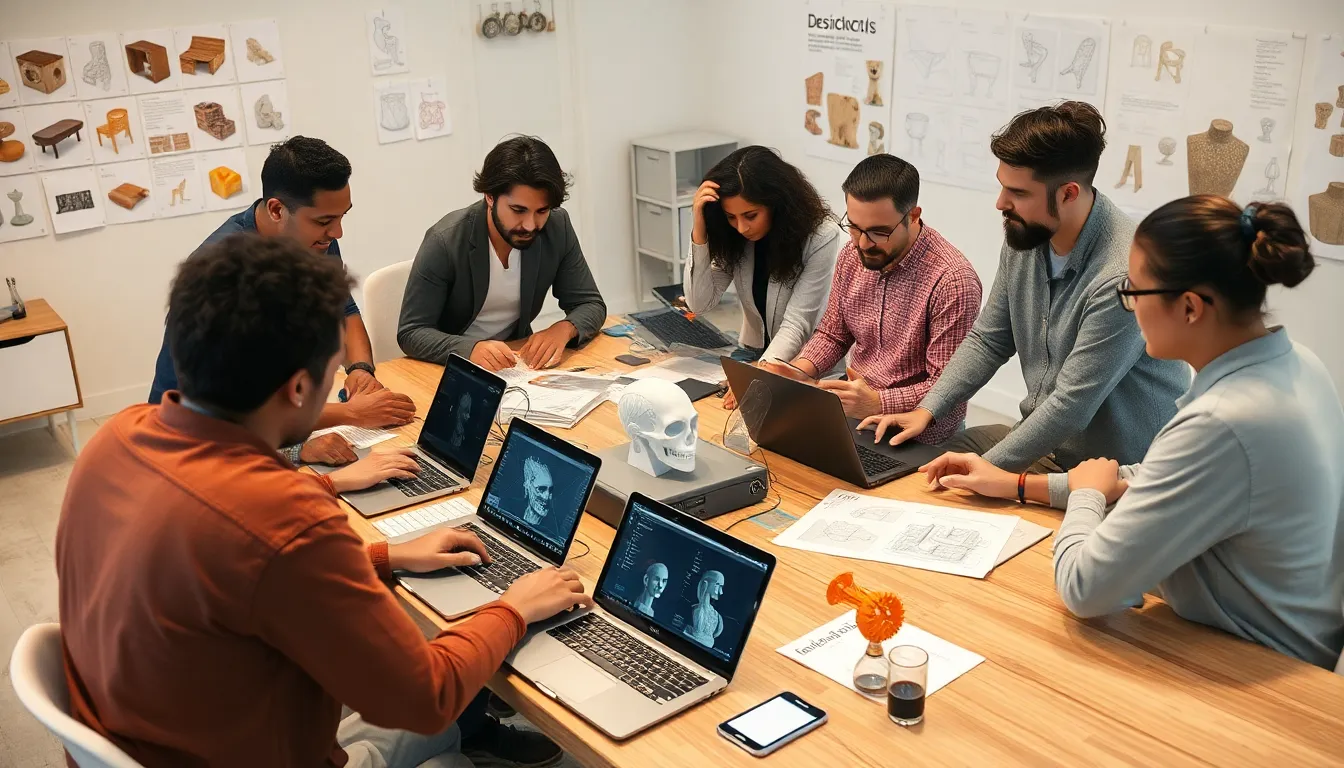
New digital tools enhance collaboration and streamline workflows within design teams. Software applications allow for real-time feedback, improving overall project efficiency. Programs like Adobe Creative Suite and Sketch support graphic and product design while facilitating creativity. Designers benefit from platforms enabling 3D modeling, rendering, and simulation, which aid in visualizing complex concepts. Such technologies empower users to experiment quickly, leading to healthier innovation cycles. Embracing these digital tools aligns design processes with evolving user needs and market demands.
3D Printing and Prototyping
3D printing revolutionizes prototyping by making rapid production feasible. Designers can create intricate models with precision and efficiency, no longer constrained by traditional manufacturing limitations. This technology allows for iterative testing, enabling users to refine designs before finalizing products. Applications extend beyond simple prototypes to functional parts and customized solutions tailored to specific needs. Cost reductions accompany this method, as small batch production becomes more affordable. As industries adopt 3D printing, the capacity for innovative designs morphs, influencing everything from fashion to architecture.
Sustainability in Design Innovations
Sustainability plays a crucial role in design innovations, guiding creators toward eco-friendly practices. Designers increasingly prioritize environmental impact, choosing materials and solutions that benefit both users and the planet.
Eco-Friendly Materials
Sustainable materials often include recycled metals, biodegradable plastics, and reclaimed wood. Utilizing bamboo and cork also serves as excellent alternatives due to their rapid regeneration. Innovative companies showcase designs featuring these materials, reducing waste and promoting longevity. Designers emphasize transparency in sourcing, allowing consumers to make informed choices. Brands like Patagonia lead efforts in using recycled fabrics, inspiring others to follow suit. An increase in demand for eco-friendly materials encourages further research and development in sustainable manufacturing processes.
Energy-Efficient Solutions
Energy-efficient design transforms how buildings and products consume power. Integrating solar panels and green roofs into architectural designs maximizes energy conservation. Smart systems contribute by optimizing energy usage through automation. LED lighting and high-efficiency appliances reduce energy waste, contributing to lower utility costs. The implementation of passive design strategies enhances natural ventilation, minimizing reliance on HVAC systems. Companies committed to sustainability often receive recognition for their energy-efficient innovations. The trend toward energy efficiency supports global climate goals and encourages consumers to adopt sustainable practices in their daily lives.
User-Centered Design Innovations
User-centered design plays a vital role in creating functional and engaging experiences. Focus on user needs drives innovation, ensuring accessibility and usability in products.
Importance of Accessibility
Accessibility remains a cornerstone of user-centered design. It addresses the diverse needs of users, including individuals with disabilities. Designers must consider users’ varied capabilities when creating solutions. Legal guidelines, such as the Americans with Disabilities Act, mandate accessibility in public and digital spaces. When products are accessible, they promote inclusivity and increase user satisfaction. Statistics show that inclusive design attracts a broader market, with an estimated 1.3 billion people worldwide living with some form of disability. Businesses not only comply with regulations but also enhance their brand reputation by prioritizing accessibility.
Enhancing User Experience
Enhancing user experience is essential for successful design innovations. Emotional responses to products significantly impact overall satisfaction. Designers create intuitive layouts and features that foster positive interactions. Research indicates that responsive feedback increases user engagement, making design more engaging. User testing and iteration help identify pain points, leading to streamlined interfaces. Additionally, personalized experiences cater to individual preferences, further improving engagement. Companies investing in user experience report higher customer retention rates and increased loyalty. Effective design innovations resonate with users, demonstrating a commitment to their needs and preferences.
Future Trends in Design Innovations
Design continues evolving, influenced by environmental awareness and technological advancements. Emerging trends highlight a shift towards functionality, sustainability, and enhanced user experiences.
Biophilic Design
Biophilic design integrates natural elements into built environments, fostering a connection between occupants and nature. This practice promotes well-being through elements like indoor gardens, natural lighting, and water features. Research indicates environments with biophilic elements reduce stress, improve cognitive function, and enhance creativity. Companies increasingly adopt this approach, recognizing its impact on employee productivity and satisfaction. Incorporating plants and natural materials in office spaces significantly increases job satisfaction and reduces employee turnover. Overall, biophilic design represents a significant trend that emphasizes health and sustainability in modern architecture.
Smart Home Integration
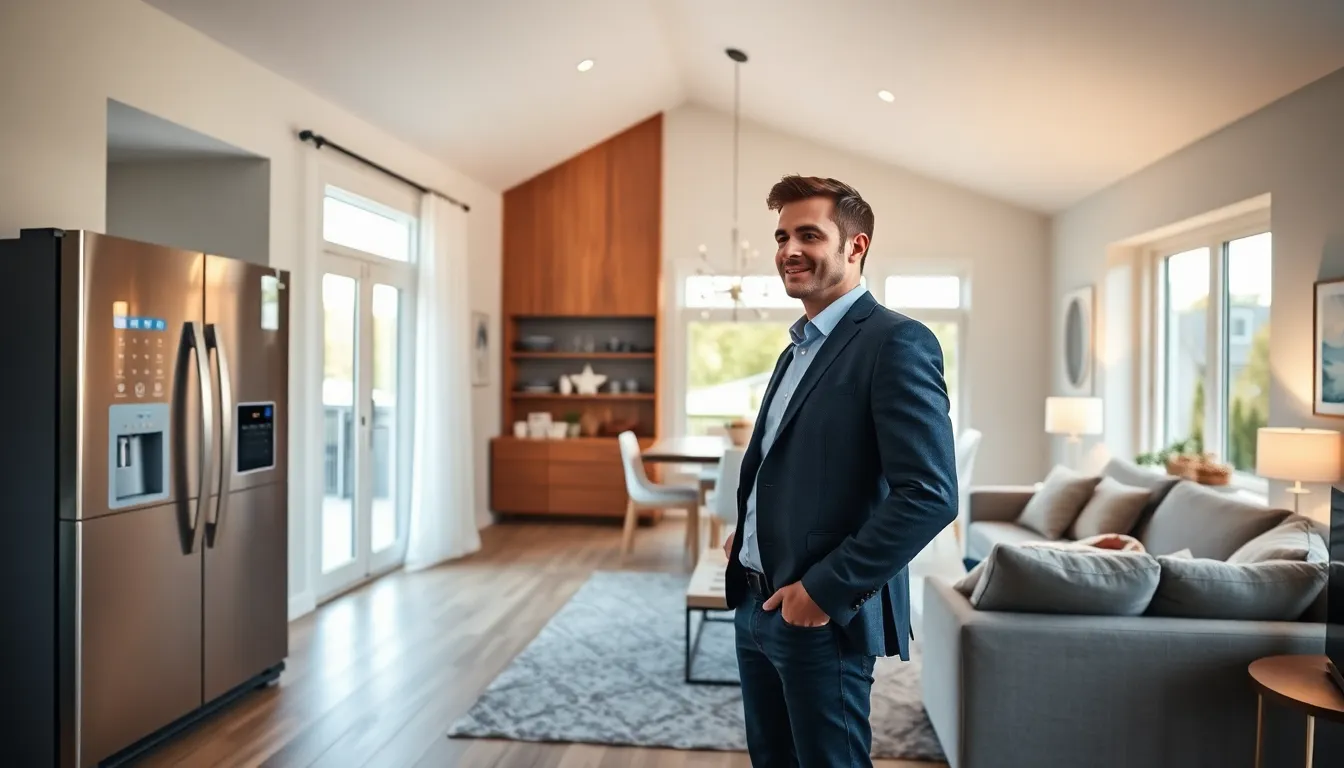
Smart home integration transforms residential design by incorporating interconnected devices that enhance convenience and efficiency. Technologies like voice-controlled assistants, automated lighting, and smart thermostats simplify daily tasks. Consumers appreciate energy management systems that help reduce utility costs while promoting sustainability. Studies show smart homes improve energy efficiency by up to 30 percent, appealing to environmentally conscious homeowners. Increasingly, designers focus on creating seamless interfaces that allow users to control multiple devices intuitively. This trend shapes the future of residential living, aligning user preferences with technological advancements.
Design innovations are reshaping the way individuals interact with their environments. By prioritizing functionality and sustainability, designers are not only enhancing user experiences but also addressing pressing environmental challenges. The integration of technology into design processes fosters collaboration and creativity, leading to solutions that resonate with diverse user needs.
As trends like biophilic design and smart home technologies gain traction, the future of design looks promising. These advancements reflect a commitment to creating spaces that promote well-being and efficiency. Ultimately, the ongoing evolution in design will continue to influence how people perceive and engage with the world around them, paving the way for a more sustainable and user-centered future.