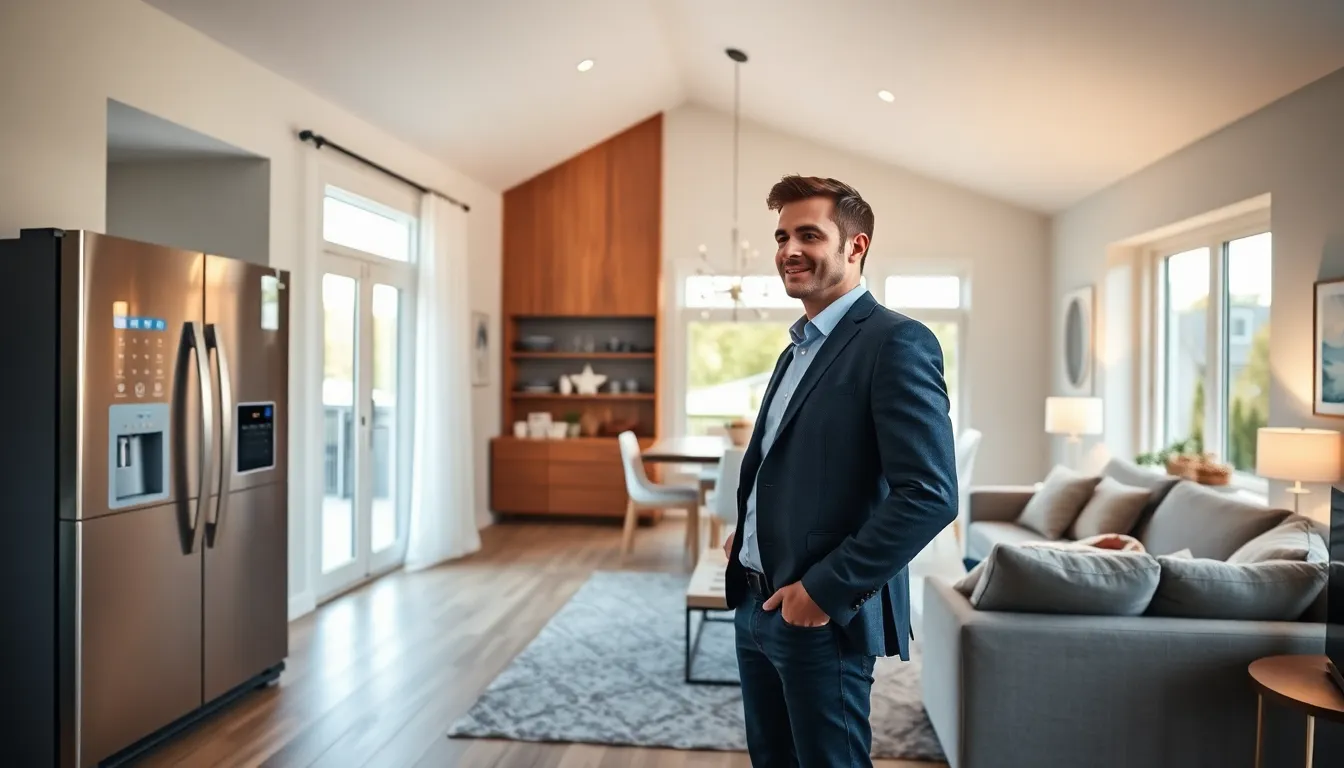
In a world where the only thing smarter than your smartphone might just be your toaster, the rise of smart living brands is turning everyday conveniences into extraordinary experiences. Imagine a home that knows when you’re cold and adjusts the thermostat before you even reach for a sweater. Sounds like magic, right? Well, it’s just smart living at work, making life easier, one gadget at a time.
Table of Contents
ToggleOverview of Smart Living Brand
Smart living brands focus on enhancing daily convenience through technology. These brands create a seamless experience in homes, integrating devices that adjust to users’ preferences. Automated systems operate appliances, control lighting and manage security, streamlining various household tasks.
Transformational elements define these brands. Smart thermostats regulate temperatures based on occupancy patterns, reducing energy costs. Smart security systems offer real-time monitoring and alerts, providing peace of mind.
Variety exists within the smart living market. Smart kitchen devices, such as refrigerators and ovens, can provide recipes or suggest meal planning. Smart speakers and assistants respond to voice commands, enabling users to control other devices hands-free.
Data shows a significant increase in the adoption of smart devices. The market for smart home technology is expected to reach $174 billion by 2025. Increased consumer interest drives innovation and investment in new technologies.
Collaboration between brands and developers enhances functionality. Open platforms allow users to customize ecosystems, integrating devices from multiple manufacturers. Smart living brands emphasize user-friendliness, ensuring products are accessible to a broad audience.
Sustainability remains a priority for many smart living brands. Eco-friendly technologies focus on energy efficiency and waste reduction. By choosing smart products, consumers also contribute to a more sustainable future.
Smart living brands represent a shift in lifestyle, combining convenience, efficiency, and security. As technology advances, these brands continuously evolve, responding to the changing needs of consumers. Embracing smart living means embracing a future that aims for greater ease in daily life.
Product Range
Smart living brands offer a diverse array of products designed to enhance convenience and efficiency in everyday life. These innovations help users create a personalized and connected environment.
Home Automation Solutions
Home automation solutions streamline daily tasks by integrating smart devices. Smart lighting systems adjust brightness based on natural light, thereby creating an inviting atmosphere. Voice-controlled assistants allow users to manage home functions hands-free, enabling easy control over various devices. Security cameras provide real-time surveillance, ensuring safety and peace of mind. Automated thermostat systems learn from user behavior to optimize energy consumption, potentially reducing utility costs.
Smart Appliances
Smart appliances redefine household efficiency with advanced features. Refrigerators equipped with touchscreens allow users to manage inventory, generate grocery lists, and suggest recipes based on available ingredients. Smart ovens can be preheated remotely, while washing machines communicate completion times via smartphone alerts. Dishwashers equipped with sensors adjust settings based on load size and soil level, maximizing performance. These appliances not only simplify chores but also contribute to energy savings and resource management.
Health and Wellness Products
Health and wellness products from smart living brands focus on enhancing personal well-being. Wearable fitness trackers monitor heart rate, sleep patterns, and daily activity levels, providing insights for healthier lifestyles. Smart air purifiers detect air quality, automatically adjusting settings to ensure a clean living environment. Innovative hydration reminders encourage regular water intake, improving overall health. Smart scales analyze body composition and offer personalized feedback, supporting users in their wellness journeys. These products emphasize the importance of a healthy lifestyle, integrating technology into personal care.
Innovations and Technology
Smart living brands leverage advanced technologies to redefine convenience and improve daily routines. Innovations include a blend of innovative features and enhanced user experiences.
Cutting-Edge Features
Smart home devices come equipped with advanced functionalities that optimize performance and usability. Smart thermostats learn from user behavior, making real-time adjustments to maintain comfort while saving energy. Voice-activated assistants allow for hands-free control of multiple devices, fostering an interconnected ecosystem. Remote operation becomes possible with smartphone applications, enabling users to manage appliances from anywhere. Security systems offer features like facial recognition and motion detection, providing superior protection and peace of mind. Such cutting-edge features represent the evolution of home automation, elevating typical living spaces into responsive environments.
User Experience
A focus on user experience drives the design and functionality of smart living products. Brands prioritize intuitive interfaces, making technology accessible and easy to use, even for those less familiar with smart devices. Customized settings enhance individual preferences, resulting in personalized interactions that resonate with users’ lifestyles. Smart lighting systems adapt to moods and activities, providing tailored ambiance at the touch of a button. Enhanced feedback mechanisms, such as alerts and notifications, ensure users stay informed about their home environment. Overall, these innovations create a seamless and enjoyable user journey, reinforcing the appeal of smart living.
Market Position
Smart living brands occupy a dynamic space in the market, driven by technological advancements and consumer demand for efficiency.
Competitors Analysis
Key players include well-known names like Google Nest and Amazon Echo, each bringing unique features and advantages. While Google Nest emphasizes integration with other Google services, Amazon Echo showcases robust voice control capabilities through Alexa. Additionally, emerging brands are entering the market with niche offerings, focusing on specialized functions such as energy monitoring or home health solutions. Identifying strengths and weaknesses across brands reveals opportunities for innovation and collaboration within the smart living sector.
Customer Reviews and Feedback
Customer feedback often highlights the convenience of smart living products, particularly regarding ease of use and system integration. Users appreciate features like remote access and automation, which simplify routines and enhance comfort. Many reviews cite effective customer support, reinforcing brand loyalty. Satisfaction also correlates with product reliability and performance, resulting in a higher likelihood of recommending these products to others. Such feedback plays a crucial role in shaping product development and marketing strategies, ensuring brands align with consumer expectations.
Sustainability Efforts
Smart living brands increasingly prioritize sustainability in their product offerings. Brands invest in eco-friendly technologies that enhance energy efficiency and minimize waste. Energy-efficient appliances, such as smart refrigerators and ovens, significantly reduce carbon footprints while providing enhanced functionality.
Many smart thermostats adapt to daily usage patterns, ensuring optimal energy consumption. Using machine learning, these devices can analyze user behavior to reduce unnecessary heating or cooling. Such innovations save energy and lower utility bills, directly benefiting the consumer.
Smart lighting solutions utilize LED bulbs, which consume less electricity compared to traditional incandescent options. Control methods include scheduling and motion sensors that automatically adjust brightness, supporting energy conservation when rooms are unoccupied. This approach complements the overarching goal of reducing energy waste.
Apart from energy efficiency, brands also focus on sustainable materials. They often design products using recycled materials or sustainable sourcing methods. By committing to these practices, companies reduce environmental impacts while appealing to eco-conscious consumers.
Partnerships with environmental organizations further enhance brands’ sustainability efforts. Collaborative projects often promote awareness of energy conservation and encourage responsible consumption.
The rise of smart living brands aligns with market demands for sustainability. Presently, consumers expect technology to contribute positively to the environment. Smart living brand innovations reflect this shift, assuring users that adopting smart technology also contributes to a more sustainable future.
With sustainability as a primary driver, smart living brands continue evolving. They aim to create eco-friendly products while delivering convenience, efficiency, and an improved lifestyle for all.
Smart living brands are revolutionizing how people interact with their homes. By integrating advanced technology into everyday tasks, these brands enhance convenience and efficiency while prioritizing sustainability. The seamless experience offered by smart devices not only simplifies daily routines but also promotes a healthier lifestyle.
As the market continues to grow, consumers can expect even more innovative solutions tailored to their needs. With a strong focus on user experience and environmental responsibility, smart living brands are paving the way for a future that values both comfort and sustainability. Embracing this lifestyle means stepping into a world where technology enhances well-being and transforms everyday living into something extraordinary.