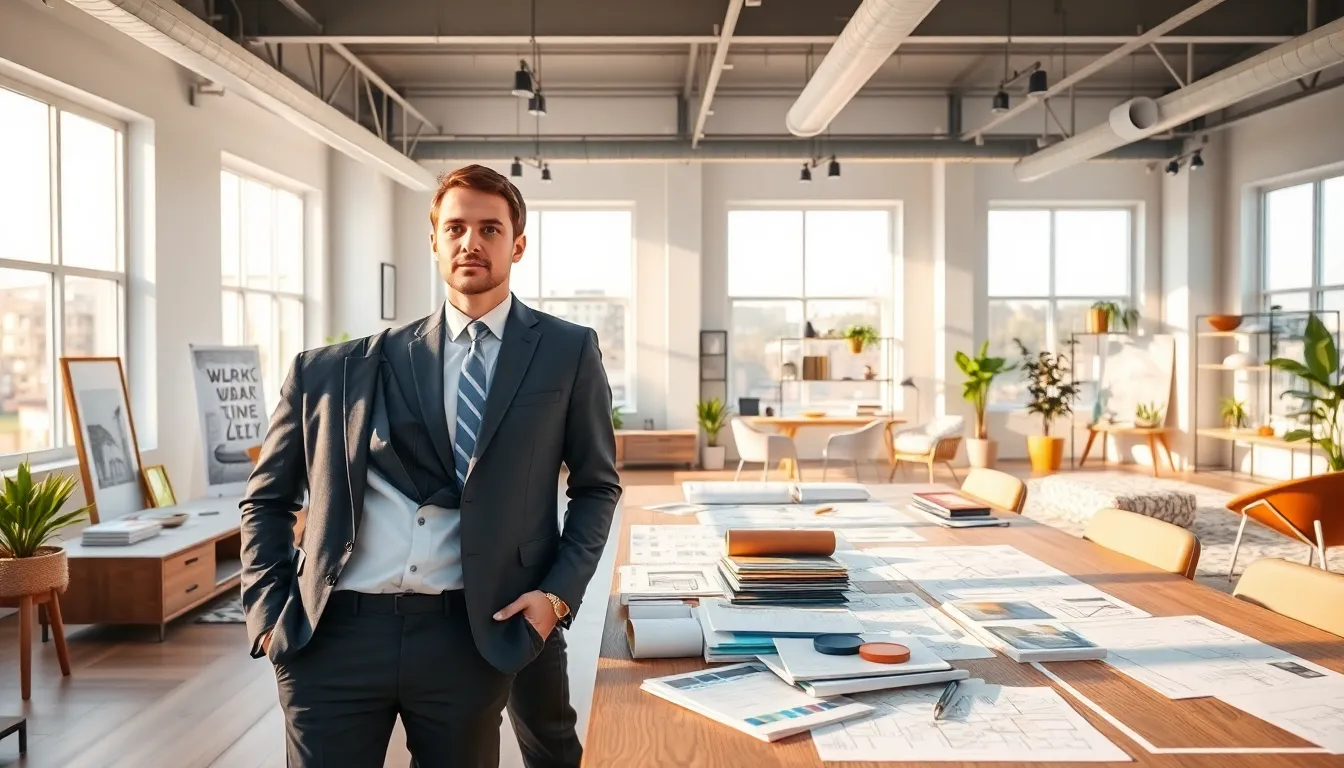
When it comes to interior design, many people think it’s just about choosing pretty colors and arranging furniture. But oh, my friend, it’s so much more than that. It’s about creating spaces that not only look stunning but also feel like home. Imagine walking into a room that speaks your vibe, with every detail crafted just for you. In this text, we’ll dive deep into the intriguing realm of interior design concepts, exploring everything from fundamental principles to the latest trends in sustainability. So grab a cup of coffee and let’s transform your understanding of interiors.
Understanding the Fundamentals of Interior Design

Interior design is much like cooking: it requires the right ingredients, a dash of creativity, and a sprinkle of expert knowledge. The fundamental principles revolve around balance, scale, proportion, rhythm, and harmony. These elements work together to create aesthetically pleasing and functional spaces.
Balance ensures that a room feels even. There are two types: symmetrical and asymmetrical. Symmetrical balance is more traditional, offering a serene and organized feel, while asymmetrical balance injects a touch of modernity and dynamism into the space.
Scale and proportion refer to the size of furniture and decor in relation to the space. A big sofa might dominate a compact room, while a tiny chair might get lost in a grand hall. Designers must find that sweet spot to ensure each piece complements rather than overwhelms.
Rhythm is all about creating a visual flow. It can be achieved through repetition, contrast, or transition. Think about how your eyes move from one element to another: that’s rhythm in action.
Finally, harmony ties everything together, creating a coherent look that resonates with your personal style. This cohesive approach ensures that no one aspect feels out of place, making the space feel �whole.
Key Elements of Interior Design
Interior design isn’t merely about pretty pictures and Pinterest boards. It’s a complex interplay of various elements that contribute to the overall aesthetic and functionality.
Color is arguably the most impactful element. Different hues evoke varied emotions. Bold reds can ignite passion, while soft blues promote calmness. Designers use color palettes to create specific atmospheres, influencing how people feel in a space.
Furniture plays a pivotal role, dictating not just the visual appeal but also the usability of a room. Selecting comfortable yet stylish pieces can transform ordinary setups into extraordinary experiences.
Lighting is essential as it affects mood and functionality. Natural light is a game-changer, but thoughtfully placed artificial lighting can highlight specific areas and create warmth. Ambient, task, and accent lighting are three categories designers often mix and match to achieve the desired effect.
Texture adds depth to designs, making spaces visually interesting. Mixing materials like wood, fabric, and metal can create a tactile experience, turning bland into beautiful.
Finally, space is crucial. Understanding spatial relationships allows designers to create layouts that maximize utility while ensuring the flow feels organic.
Popular Interior Design Styles
Diving into interior design styles is like opening a treasure chest of creativity. Each style brings its own unique flair.
Modern designs focus on simplicity and function. Clean lines, neutral colors, and minimal decoration define this aesthetic. It’s about making spaces timeless without unnecessary clutter.
Contemporary design, often confused with modern, evolves with trends. It embraces what’s current, so expect bold statements and vibrant colors.
Industrial styling draws inspiration from warehouses and factories. Exposed brick, large windows, and metal finishes add an edgy, urban vibe that’s continually in demand.
Scandinavian designs charm everyone with their cozy yet functional layouts. Light wood tones, soft textiles, and a neutral color palette create inviting spaces ideal for relaxation.
Bohemian styles celebrate individuality, thriving on eclectic mixes and unconventional décor. Think vibrant colors, layered textures, and a fusion of global influences.
Finally, traditional designs encapsulate classic elegance, often featuring rich wood tones, ornate details, and a warm, inviting palette. Each style serves others a unique story, allowing homeowners to express identity through their spaces.
The Importance of Color Theory in Interior Design
Color theory is the backbone of any successful design project. It’s not just about what colors look good together: it’s about understanding how they interact and affect perceptions.
The color wheel is a great starting point. Primary colors combine to create secondary ones, and various color schemes – like complementary, analogous, and triadic – offer a roadmap for creating balance and visual interest.
Designers leverage warm colors (like reds and yellows) to create energy and elicit excitement, while cool colors (like blues and greens) inspire tranquility and calm. Understanding these psychological effects is key in crafting harmonious spaces.
Plus, lighting can drastically change how a color is perceived. A shade might appear and feel entirely different under natural light compared to artificial light. So, designers must consider both aspects when selecting their palette.
Space Planning and Layout Considerations
Space planning is the blueprint of interior design. It’s about strategically arranging furniture and decor to enhance functionality and flow. A well-thought-out layout ensures the room meets its purpose effectively.
The first step? Assessing the space. Understanding dimensions, entry points, and existing architecture helps in determining how to best use the area. Tools like mood boards and floor plans are invaluable at this stage.
Zoning is another crucial component. Essentially, this involves dividing a space into areas that serve specific functions, such as dining, lounging, or working. This helps in decluttering and creating an organized environment where activities are naturally segregated.
Finally, it’s critical to ensure circulation paths are intuitive. A well-planned layout allows flow from one space to another, minimizing disruptions and maximizes comfort.
Incorporating Sustainability in Interior Design
As the world pivots toward more sustainable practices, interior design must do the same. Incorporating eco-friendly choices isn’t just trendy: it’s necessary for the health of our planet.
Choosing sustainable materials is a key starting point. Designers often prefer reclaimed wood, recycled metals, and organic fabrics to minimize environmental impact. Eco-friendly paints and finishes further enhance sustainable practices.
Energy-efficient lighting solutions are also essential. LED lights use significantly less power than traditional bulbs, drastically lowering energy consumption. Great for the environment, they also have a longer lifespan, meaning less waste.