When it comes to the battle for market attention, packaging is not just a pretty face. In fact, it’s often the first impression a product makes, and we all know how critical first impressions can be, especially in the competitive world of retail. Imagine walking through a store aisle and your eyes landing on a product wrapped in a dazzling design. Instantly, curiosity is piqued. But, it’s not all about flashiness: effective packaging marries form with function, bearing the weight of conveying a brand’s essence. Let’s jump into the world of packaging, and why it should be top of mind for businesses looking to elevate their branding game with fresh, innovative designs that stand out and say, “Pick me.”
Importance Of Packaging In Branding
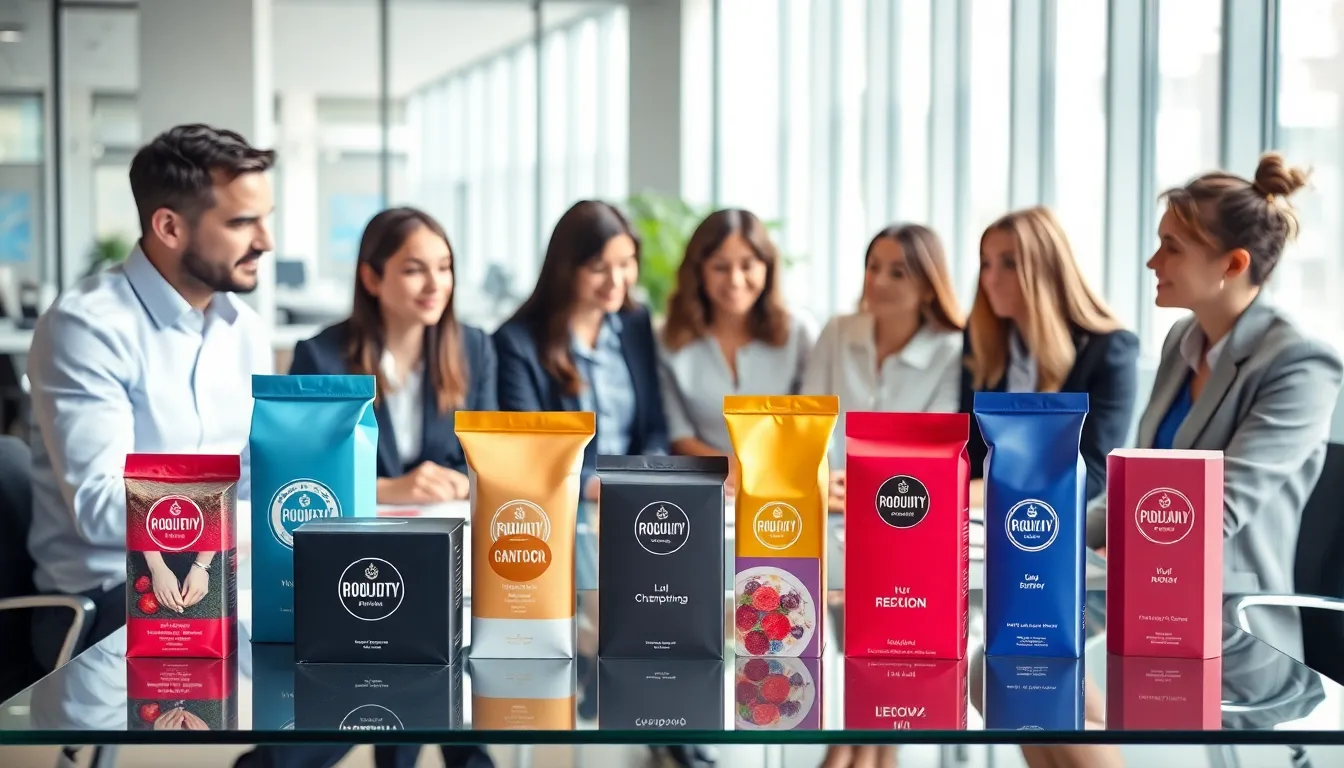
Packaging plays a pivotal role in shaping brand identity. A product’s package does more than just hold the item inside: it communicates value, quality, and personality directly to consumers. Think of Apple products. Their minimalist but striking packaging immediately conveys a sense of luxury and sophistication. Such branding strategies are essential because consumers often make split-second decisions based on visuals alone.
Also, effective packaging enhances recognition. Consistent use of colors, logos, and typography makes a product instantly identifiable on crowded shelves. This is why companies invest time in crafting unique packaging designs that resonate emotionally with consumers. In a world flooded with choices, eye-catching packaging acts as the hook that reels customers in and invites them to explore further.
Types Of Packaging Designs
Packaging design can take many forms, each serving different purposes and markets. Here are some popular types:
1. Primary Packaging
This is the immediate container that holds the product. It can range from glass bottles to plastic wraps, depending on the product’s nature. Companies focus on durability and appeal to ensure the product remains safe while creating attraction on shelves.
2. Secondary Packaging
Often called outer packaging, this includes boxes, cartons, or wrap that contains primary packaging for shipping and retail display. It adds an extra layer of branding while protecting the primary product.
3. Tertiary Packaging
This involves bulk packaging used for transportation and storage. Brands often overlook this aspect, but it plays a vital role in supply chain management. Well-designed tertiary packaging can simplify logistics and reduce costs.
4. Eco-Friendly Packaging
With growing environmental concerns, many brands are opting for sustainable packaging designs made from biodegradable or recyclable materials. This appeals to environmentally-conscious consumers and enhances brand loyalty.
Factors Influencing Packaging Design
Several elements come into play when creating an effective packaging design. These include:
1. Target Audience
Understanding demographics influences design choices. For instance, a vibrant design may attract a younger audience, while a more subdued approach may appeal to older consumers focused on quality.
2. Product Type
Different products have unique requirements. Fragile items may require padded, sturdy packaging, whereas food products need to comply with safety standards.
3. Brand Message
Packaging should embody the brand’s ethos. A luxury brand might use minimalistic, elegant designs to convey class, while a playful brand may adopt bright, bold colors to reflect its fun nature.
4. Regulatory Considerations
Different industries have varying regulations that dictate what must be included on packaging. Compliance not only avoids legal trouble but also serves to educate consumers about the product.
Packaging Materials And Sustainability
Sustainability has become a cornerstone in packaging design. With consumers increasingly inclined towards environmentally friendly products, brands must consider their materials carefully.
1. Biodegradable Options
Materials that break down naturally, such as paper and certain bioplastics, are gaining traction. These options appeal to eco-conscious consumers who favor solutions reducing waste.
2. Recyclable Materials
Using recyclable materials helps decrease the carbon footprint, and brands often highlight this on their packaging to enhance sustainability credentials. Many consumers actively look for products that can be recycled after use.
3. Minimalist Packaging
Sometimes, less truly is more. Brands that adopt minimalist designs not only cut down on material use but efficiently communicate their messaging. The trendy no-packaging movement illustrates this shift, where buyers are encouraged to use their containers.
Trends In Packaging Design
Staying ahead in packaging design means tuning into current trends. Here are a few that are reshaping the landscape:
1. Smart Packaging
With advancements in technology, smart packaging equipped with QR codes or NFC tags is becoming more common. This empowers brands to connect with consumers directly, offering deeper product information or exclusive deals.
2. Artistic Designs
Unique artistry and creativity in design are making waves, transforming packaging into collectible art pieces. Some brands collaborate with artists to create limited edition designs that resonate with consumers looking for a unique story.
3. Personalized Packaging
Many brands are beginning to offer personalized packaging that reflects an individual customer’s preferences. Such strategies enhance customer experience by making each purchase feel unique.
Case Studies Of Successful Packaging
Let’s take a look at some brands that have elevated their identity through creative packaging:
1. Coca-Cola
The introduction of personalized Coke bottles was a game-changer. Consumers loved finding their names, bridging the gap between brand and audience, creating a sense of belonging.
2. Method
This eco-friendly cleaning brand features quirky, colorful designs that not only catch the eye but also communicate the brand’s commitment to sustainability. Their bottles are designed to be visually appealing and easy to use, standing out in their category.
3. Tiffany & Co.
Few can forget the iconic Tiffany blue box. The color alone evokes luxury and exclusivity, making unboxing a memorable experience. The packaging reinforces their prestige and influences consumers to perceive value beyond the product.