
In a world where plastic bags seem to multiply like rabbits and climate change feels like an unwelcome houseguest, being eco-savvy isn’t just a trend—it’s a necessity. Imagine strutting around town with your reusable tote, sipping organic coffee from a bamboo cup, and feeling like the superhero of sustainability. Who knew saving the planet could be this stylish?
Overview of Eco Savvy
Eco Savvy reflects a lifestyle prioritizing environmental awareness and sustainability. Many individuals embrace eco-friendly practices to combat climate change and reduce plastic waste. They seek alternatives, such as reusable bags and stainless steel straws, to minimize their ecological footprint.
Sustainable fashion plays a key role in Eco Savvy. Consumers now choose brands that prioritize ethical sourcing and materials. Bamboo, organic cotton, and recycled fabrics represent some materials appealing to the eco-conscious shopper.
Zero-waste living has gained significant traction among eco-savvy individuals. This lifestyle encourages reducing, reusing, and recycling, aiming for minimal waste. Many people adopt techniques like composting and bulk shopping to support this initiative.
Education about environmental issues fosters a deeper connection to sustainable living. Workshops and online resources equip individuals with knowledge, helping them make informed decisions. Community engagement amplifies these efforts, creating networks of support for sustainable practices.
Focusing on energy efficiency also aligns with Eco Savvy principles. Individuals install energy-efficient appliances and utilize solar panels for cleaner energy sources. The reduction in energy consumption directly correlates with lower carbon footprints.
Advocacy for local produce strengthens community ties and reduces transportation emissions. Supporting farmers’ markets and local farms contributes to a sustainable food system. These practices allow consumers to make conscious choices about their health and the environment.
Embracing an Eco Savvy lifestyle empowers individuals, making them active participants in environmental preservation. Each small change contributes to a collective effort toward a more sustainable future. Channels such as social media showcase success stories, inspiring others to join the movement.
Key Features of Eco Savvy
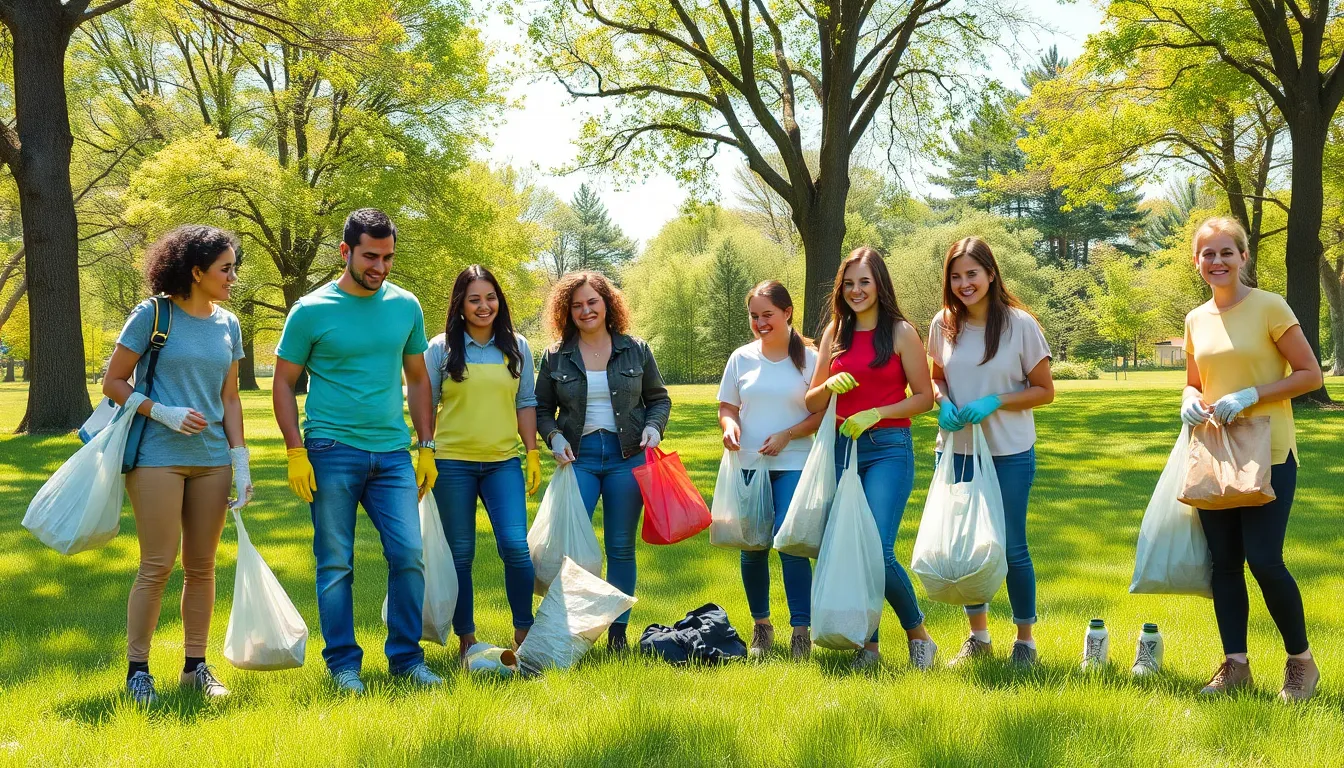
Eco Savvy emphasizes sustainable living and resource conservation. Individuals can adopt various practices and technologies to make their lifestyles more environmentally friendly.
Sustainability Practices
Composting helps divert organic waste from landfills, contributing to soil health. Bulk shopping reduces packaging waste while supporting local businesses. Choosing reusable items like cloth bags and metal straws decreases reliance on single-use plastics. Upcycling transforms discarded materials into products, promoting creativity and reducing landfill volume. Educating oneself about sustainable brands fosters informed purchasing decisions. Advocating for minimalism encourages mindful consumption, prioritizing needs over wants. Participating in community clean-ups builds environmental awareness and strengthens connections among residents.
Innovative Technologies
Solar panels harness renewable energy, significantly lowering carbon footprints. Energy-efficient appliances utilize less power, reducing overall energy consumption. Smart home technology optimizes energy use through automation, saving resources. Electric vehicles emit fewer greenhouse gases compared to traditional cars, promoting cleaner transportation. Innovative water-saving devices, like low-flow faucets, conserve vital resources. Biodegradable materials offer sustainable alternatives to conventional plastics. Moreover, vertical gardens maximize urban space while improving air quality.
Benefits of Using Eco Savvy
Using Eco Savvy practices offers numerous advantages for both the environment and personal finances.
Environmental Impact
Eco Savvy choices significantly reduce waste and carbon footprints. Reusable items, such as tote bags and stainless steel straws, diminish reliance on single-use products. Adopting composting methods diverts organic materials from landfills, thus lowering methane emissions. Bulk shopping not only reduces packaging waste but also supports local economies. Individuals who emphasize energy efficiency contribute to lower fossil fuel consumption through the use of solar panels and energy-efficient appliances. By prioritizing sustainable practices, communities can foster healthier ecosystems and promote environmental preservation.
Cost Efficiency
Eco Savvy habits promote savings in everyday expenditures. Choosing reusable over single-use items decreases overall spending on disposable products. Bulk buying allows consumers to purchase goods at lower prices, reducing the cost per item. Energy-efficient appliances often lead to decreased utility bills, resulting in long-term savings. Using solar energy can significantly lower electricity costs as well. Awareness of sustainable brands gives consumers confidence that their purchases contribute not just to personal savings but also to supporting ethical practices. All these choices empower individuals to stay environmentally conscious while managing their budgets effectively.
User Experience
User experience embodies how individuals interact with Eco Savvy practices. Positive feedback from consumers reinforces the impact of these eco-friendly choices on their daily lives.
Customer Testimonials
Customers frequently share their satisfaction with Eco Savvy products. Many comment on the convenience of reusable bags, appreciating their durability and style. Some highlight how bamboo cups enhance their coffee experience, combining functionality with sustainability. Others express joy in supporting local markets, feeling a connection to their community while making eco-conscious choices. Testimonials reveal that many see a reduction in waste, reinforcing their commitment to a sustainable lifestyle.
Challenges and Limitations
Adopters of Eco Savvy face several challenges. One major concern involves the initial cost of sustainable products, often higher than conventional options. Limited availability of eco-friendly items can hinder access in certain areas. Switching to eco-friendly habits requires a shift in mindset, which some individuals find difficult. Additionally, misconceptions about the effectiveness of reusable items persist, leading to hesitation in adopting these practices. Overall, overcoming these obstacles necessitates education and support to foster a more sustainable future.
Embracing an Eco Savvy lifestyle isn’t just a trend; it’s a powerful movement toward a more sustainable future. By making conscious choices and adopting eco-friendly practices, individuals can significantly impact the environment. Each small change, from using reusable bags to supporting local farmers, contributes to a healthier planet and fosters a sense of community.
As more people become aware of the benefits of sustainable living, the collective effort to combat climate change grows stronger. The journey toward becoming Eco Savvy may come with challenges, but the rewards—both for the environment and personal finances—are undeniable. With determination and creativity, anyone can join this inspiring movement and make a difference.