In a world where square footage often feels more like a sneeze than a spacious retreat, clever space design ideas can transform even the tiniest nooks into functional masterpieces. Who knew that a few well-placed shelves could turn a cramped corner into a cozy reading nook? It’s like magic, but with fewer rabbits and more stylish furniture.
Overview of Space Design Ideas
Space design ideas focus on maximizing functionality and aesthetics in limited areas. Creative solutions enhance overall living experiences. For instance, multipurpose furniture, such as ottomans with storage, saves space while maintaining style. Floating shelves eliminate the need for bulky furniture, allowing for more open floor plans.
In addition, color choices drastically influence perceptions of space. Light hues create an airy atmosphere, making small areas appear larger. Implementing mirrors strategically further enhances this effect by reflecting light. Bringing in plants adds a layer of warmth and vitality to the environment, improving air quality and mood.
Zoning becomes crucial in open layouts. Area rugs can define spaces within a larger room, such as a dining area or a workspace. Dividers, like bookcases or curtains, create the illusion of separate areas while allowing for openness. Integrating technology also supports space efficiency. Smart home devices streamline organization, controlling lighting and climate with ease.
Artwork and personal touches significantly personalize the space. Gallery walls showcase individual styles and interests, contributing to a unique ambiance. Consideration of texture balances visual interest, combining materials like wood, metal, and fabric results in a cohesive atmosphere.
Finally, adequate lighting transforms space design. Layering ambient, task, and accent lighting creates versatility, enhancing functionality throughout the day. Always prioritize needs and preferences, resulting in designs tailored to individual lifestyles.
Trends in Space Design
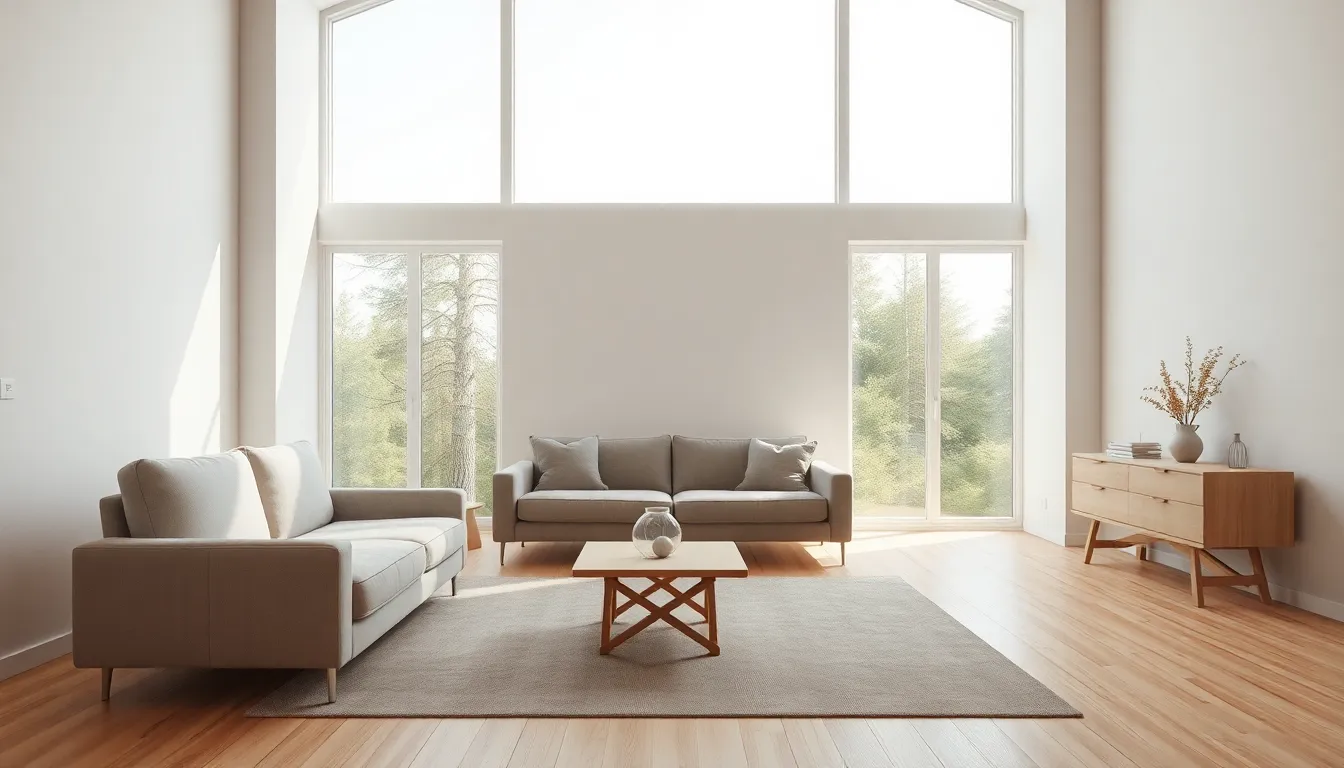
Space design trends now prioritize simplicity and functionality. Emphasizing open layouts and decluttered environments promotes a sense of peace.
Minimalist Approaches
Minimalist design focuses on essentials, eliminating excess. Clean lines and neutral palettes create calm spaces that foster relaxation. Utilizing smart storage solutions is crucial, as discreet options like built-in cabinets keep clutter hidden. Natural materials enhance the serene aesthetic, connecting interiors with nature. Designers frequently recommend optimizing natural light with large windows or open curtains, enabling bright, airy atmospheres. This approach encourages experiencing less chaos and more clarity.
Multifunctional Spaces
Multifunctional spaces enhance usability in limited areas. Furniture that serves multiple purposes, such as convertible sofas or foldable tables, maximizes functionality. Designers often suggest incorporating zones within rooms to support various activities. For example, an area can serve as a workspace during the day and a living room in the evening. Moreover, adding storage solutions, like ottomans with hidden compartments, promotes organization while maintaining style. Thoughtful design choices establish harmonious environments that adapt to changing needs.
Color Schemes and Materials
Color and material choices play significant roles in space design, particularly in small areas. Selecting the right combinations can enhance functionality and aesthetic appeal.
Natural Elements
Natural materials add warmth and character to any space. Wood, stone, and woven fabrics create inviting environments. Light-colored wood finishes open up a room, creating the illusion of more space. Incorporating greenery into decor not only improves air quality but also brings a fresh feel. Additionally, integrating textiles like jute or cotton introduces texture and comfort. Choosing a color palette inspired by nature, such as earth tones and soft greens, promotes tranquility in compact designs.
Bold Accents
Bold accents make spaces memorable and unique. Bright furniture pieces, colorful artwork, and striking light fixtures catch the eye and create focal points. A vivid accent wall can energize a room without overwhelming it. Mixing patterns and textures adds visual interest, especially in minimalist environments. Using metallics or high-gloss finishes on accessories introduces a contemporary touch. Emphasizing these elements in moderation maintains balance while allowing for self-expression in any design.
Innovative Furniture Solutions
Innovative furniture solutions enhance functionality while maximizing limited space. Designers focus on both versatility and visual appeal.
Modular Furniture
Modular furniture adapts to changing needs in any space. It consists of individual components that can be rearranged, offering flexibility for various layouts. Sofa modules, for instance, can convert from a seating area to a guest bed. Configurable shelving units allow easy customization, accommodating both books and decorative items. By selecting items like stackable chairs, individuals free up room when entertaining guests, creating a practical solution for small spaces.
Space-Saving Options
Space-saving options optimize limited square footage efficiently. Nesting tables provide a convenient solution, allowing multiple surfaces while tucking away when not in use. Wall-mounted desks can create workspace without the bulk of traditional tables. Furniture with built-in storage, such as ottomans or benches, offers dual functionality for seating and storage. Hidden compartments in beds also maximize underutilized areas, ensuring that every inch contributes to overall efficiency without sacrificing style.
Tips for Small Spaces
Small spaces present unique design challenges. However, effective strategies can maximize their potential.
Maximizing Vertical Space
Utilizing vertical space enhances functionality. Shelving units placed high on walls free up floor areas while showcasing decor. Tall bookcases can also hold a collection of books or plants, drawing the eye upward. Adding wall-mounted cabinets minimizes clutter, creating a cleaner look. Hooks and pegboards on walls keep frequently used items organized, transforming ordinary areas into efficient zones. Each piece of decor or furniture contributes to smarter storage solutions.
Utilizing Light and Mirrors
Light plays a crucial role in small space design. Choosing light-colored paint creates an airy feel, making rooms appear larger. Ambient lighting from ceiling fixtures and lamps brightens corners and highlights features. Incorporating mirrors reflects light and offers the illusion of depth, enhancing room dimensions. Strategically placing large mirrors across from windows increases natural light flow, energizing the atmosphere. Each reflective surface maximizes brightness, creating a welcoming environment.
Embracing innovative space design ideas can transform small areas into functional and aesthetically pleasing environments. By incorporating smart storage solutions and multipurpose furniture, individuals can maximize every inch of their living spaces.
The thoughtful use of color, light, and natural materials adds warmth and character while promoting a sense of tranquility. Zoning techniques and personal touches further enhance the unique ambiance of each area.
Ultimately, the key lies in balancing practicality with self-expression, ensuring that every design choice contributes to a harmonious and inviting atmosphere. With creativity and intention, small spaces can become not just livable but truly enjoyable.